How to Prevent Rodent Infestations in Hospitality Venues
The impact that a single rodent sighting can have on a hospitality venue, whether it’s a restaurant, catering service, hotel or leisure facility, is catastrophic. Lack of proper pest control can lead to loss of reputation, and ultimately business, within a matter of hours, thanks to social media, hygiene audits and review platforms like TripAdvisor® – and the damage can last for years.
Here, Graham Cox, Managing Director of GC Pest Control Limited shares some easy advice on how to prevent rodent infestations in your venue.
Assess and Rodent-Proof the Site
Rodents can fit through surprisingly small openings – mice can get through gaps of 6 mm and rats can get through gaps of 10 mm.
A careful inspection of the building, including cellars and storage areas, for wear and tear in walls, piping, doors and windows which may offer easy entry.
Inspection of the building for any signs of an existing infestation – visible footprints at ground level or on shelving, smear marks along ledges or walls, damage to the building and equipment from gnaw marks, and droppings typically found behind objects are tell-tale signs that you’ve already got a problem. If we are not sure we can use tracking gels or dusts or even motion cameras to help us identify an infestation. Within 24 hours we should see paw prints if rodents are present on site or video footage.
Rodents can and will gnaw right through wires, causing a serious fire hazard, so all appliances should be checked. Dripping taps are very attractive to rats, who need regular access to a water supply, so we would make sure any leaks are noted and recommend that these are seen to swiftly. We would advise that any drainage holes and general building maintenance is kept on top of, as standing pools of water are just as attractive.

Keep Cellars and Kitchens Clean
The key to avoiding attracting rodents into your venue in the first place is to ensure you have a series of preventative measures following basic good practice and hygiene in place.
- Ensure indoor bins are emptied regularly into external waste disposal units and never leave bin bags next to your bins, as rodents can easily gnaw through them.
- Rubbish should be immediately placed in bins which are locked and located a substantial distance away from the building itself, not by the back door.
- Ensure that drainage bungs are in place in the bottom of the bins or the holes meshed over as rats can climb into and live in the bottom of these bins.
- Keep bin areas clean – disused oil drums, pallets and any spillages will soon attract rats.
Food should be stored in secure containers with tightly fitted lids and preferably raised off the floor. It goes without saying that any food spillages should be cleaned up immediately and storage areas should be thoroughly cleaned as part of your daily cleaning routine. Food spillages not just attract rodents but also insect pests.
Keep the number of boxes lying around storage rooms and cellars to a minimum, and ensure deliveries are unpacked promptly, as empty boxes make a great place for rodents to shelter and nest.
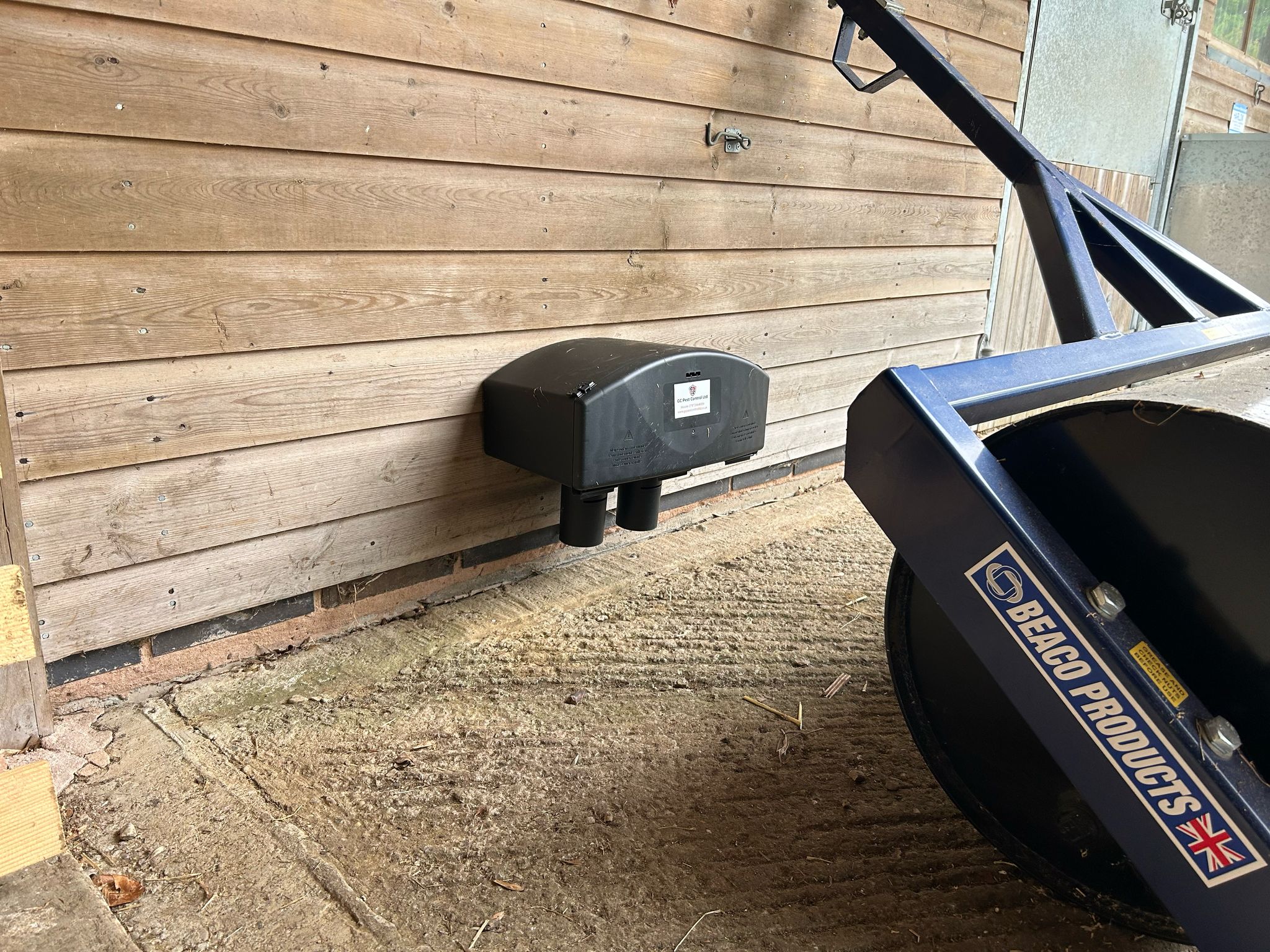
Use of a HACCP-Approved Rodenticide
Of course, the best way to deal with an infestation is not to have them in the first place, but if all preventative measures and trapping fail then it could be time for us to use a rodenticide. Ensure we choose a bait which is HACCP (Hazard Analysis Critical Control Points)-approved and certified for use in environments where food is present, as many common baits are not permitted for use in such settings.
We will ensure we select the right bait to treat the infestation – depending on where you are in the country, we may want to consider the potential for the presence of anticoagulant resistant rodents. We would check out the RRAC map to find out if you’re in an area of rodent resistance.
If you are in an area of resistance, we would choose a bait with cholecalciferol as the active ingredient to gain control in as few as seven days. Its stop-feed effect means rodents stop moving once a lethal amount has been consumed – this lack of movement prevents the further spread of disease, prevents additional contamination and damage and reduces the chance of rodents being sighted by the public, making it a perfect option for a variety of hospitality venues.
We will follow the manufacturer’s instructions and abide by the label before using any rodenticide product to ensure your business is being controlled within the law.
Increase Staff Awareness
Perhaps one of the most overlooked tools in a manager’s kit is their workforce! If your staff are trained to understand the risk rodents pose to the business, and therefore their livelihoods, the chances are the team will follow the preventative measures put in place and be better equipped to spot the signs of rodents as soon as they appear.
With a team of people keeping an eye out for tell-tale signs such as droppings, damage to food containers, gnaw or smear marks, then the likelihood is that the pests will be spotted before a serious infestation takes hold.
There are many short training courses that can be taken online to educate and inform a workforce – we can provide information on these if required. There is a whole host of specialised bespoke pest control training courses, all designed to keep you and your colleagues up-to-date with the latest techniques, practices and legislation.
Graham Cox (MRSPH) is available for expert advice.
Frequently Asked Questions
Q1: How can I rodent-proof my hospitality venue?
To rodent-proof your venue, carry out a thorough inspection of entry points like pipes, vents, and damaged walls, and seal any gaps. Maintain strict hygiene in kitchens, bin areas, and cellars, store food in sealed containers, and regularly remove clutter where rodents might nest. GC Pest Control can assist with professional surveys, proofing, and prevention strategies.
Q2: What is the best rodenticide for use in food businesses?
If preventive methods fail, HACCP-approved rodenticides are essential for food-safe environments. Products like cholecalciferol-based bait are highly effective, particularly in areas where rodents may have developed resistance to traditional anticoagulants. Always ensure treatments are applied by professionals to stay compliant with regulations.
Q3: Are rodent infestations common in Leicester restaurants and hotels?
Yes, rodent infestations are a common issue in Leicester, particularly in older buildings and busy food service areas. Factors like drainage problems, food waste, and accessible storage areas make hospitality venues especially vulnerable. GC Pest Control offers local, discreet pest control services tailored to Leicester’s hospitality industry.